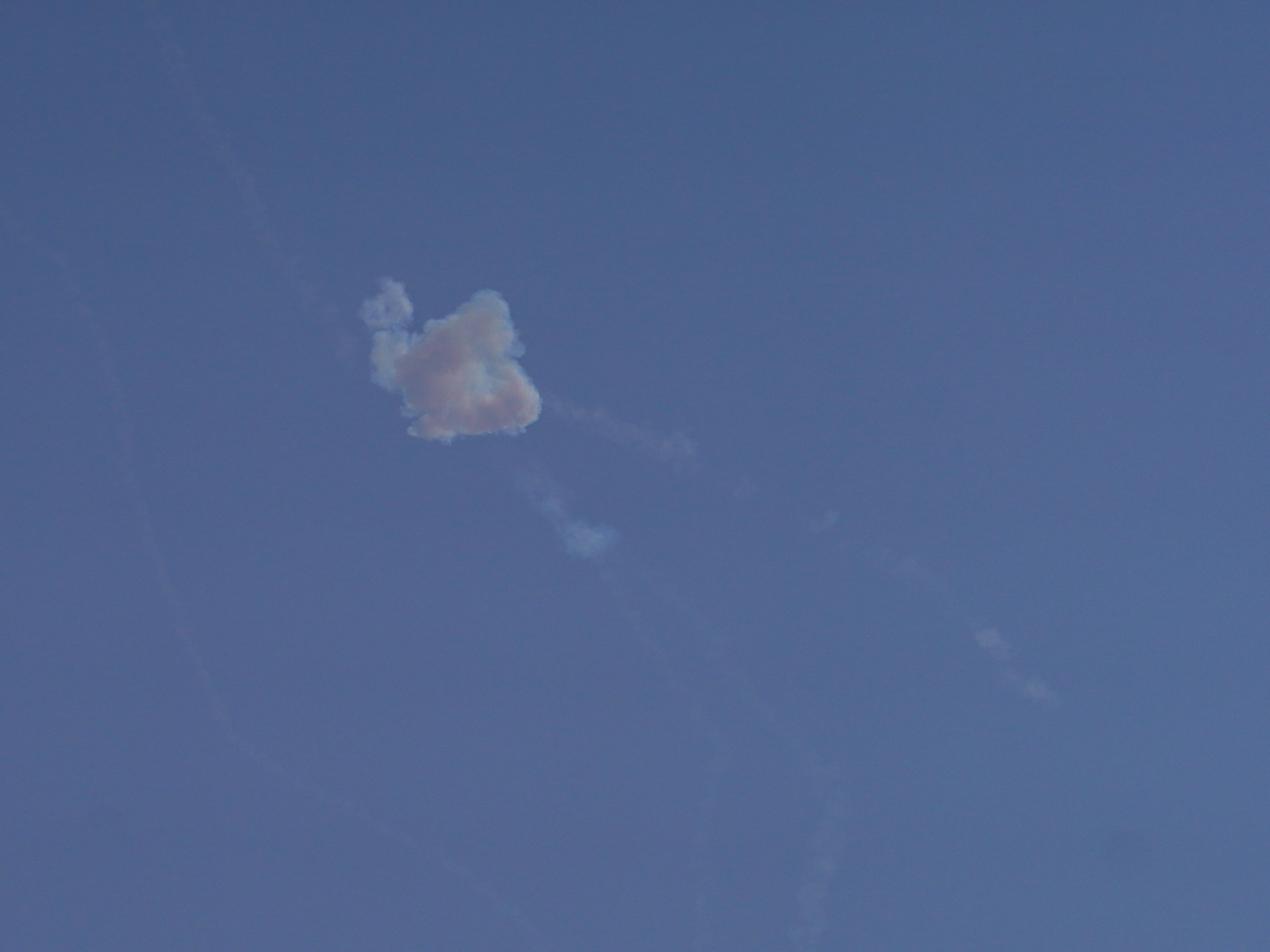
US-Iran Conflict: World Reacts to Escalating Military Action
The Middle East, a region perpetually on edge, has once again become the epicenter of global concern as recent military exchanges between the United States, Israel, and Iran triggered widespread alarm. What began as targeted strikes swiftly escalated into retaliatory actions, sending shockwaves across international borders and prompting frantic calls for de-escalation. The intensifying us iran threat has highlighted a dangerous new phase in a long-standing geopolitical rivalry, forcing nations worldwide to confront the potential for a broader, devastating conflict.
Deep consternation has spread globally, not only due to the immediate violence but also because of the precarious timing. The US-Israeli strikes occurred even as Washington was reportedly still engaged in nuclear negotiations with Tehran, raising questions about diplomatic strategy and conflict resolution. This article delves into the immediate triggers of the escalation, the varied international responses, and the multifaceted nature of the threat posed by Iran, as perceived by its adversaries and the broader global community.
The Escalation: US-Israeli Strikes and Iran's Swift Retaliation
The recent dramatic military escalation was ignited by a series of joint US-Israeli strikes across Iran. According to senior Israeli defense officials, these attacks were the culmination of months of planning, with a specific date set weeks in advance. Israeli Prime Minister Benjamin Netanyahu framed the attacks as a necessary measure to remove an "existential threat" posed by Iran, further asserting that the operations would "create the conditions for the brave Iranian people to take their fate into their own hands."
US President Donald Trump swiftly confirmed American involvement, announcing a "major combat operation" aimed at "eliminating threats from the Iranian regime." Trump pledged to dismantle Iran’s missile industry and destroy its navy, adding weight to the aggressive rhetoric surrounding the strikes. These declarations, coupled with calls for the Iranian people to overthrow their government, underscored the comprehensive nature of the offensive.
Iran's response was immediate and unequivocal. Its Ministry of Foreign Affairs condemned the US-Israeli actions as a "blatant violation of international law and the United Nations Charter," promising a "harsh response." True to its word, Tehran launched retaliatory missile strikes not only against Israel but also targeting US military assets hosted in several Gulf states, including Qatar, the United Arab Emirates, Bahrain, and Kuwait. A senior Iranian official conveyed the gravity of their position to Al Jazeera, stating, "All American and Israeli assets and interests in the Middle East have become a legitimate target. There are no red lines after this aggression." This statement signaled a dangerous expansion of potential targets and a removal of previously understood boundaries in the conflict.
A World on Edge: Global Reactions and Calls for Calm
The rapid escalation sent shockwaves through the international community, prompting urgent calls for de-escalation from world leaders and international bodies. The United Nations Secretary-General Antonio Guterres unequivocally condemned the "military escalation" and called for an "immediate cessation of hostilities." He emphasized that the use of force by the United States and Israel against Iran, followed by Iran's retaliation across the region, severely undermined international law and risked further destabilizing an already volatile Middle East.
Criticism also mounted against Washington, particularly from nations concerned about the broader implications of US military action while still ostensibly engaged in nuclear negotiations with Tehran. Many saw the strikes as counterproductive to diplomatic efforts, potentially jeopardizing any chance for a peaceful resolution. Furthermore, anger surfaced in Gulf states, who found themselves unwillingly caught in the crossfire as their territories, hosting US military assets, became legitimate targets for Iranian retaliation. These nations, often walking a tightrope between regional powers, face significant security dilemmas.
Lebanon’s Hezbollah, a key Iranian proxy, vociferously condemned the US-Israeli attacks as an attempt to destabilize the region and impose "domination and occupation schemes." Declaring solidarity with Iran, Hezbollah urged people in the region to "confront this aggressive plan and recognize its danger," underscoring the potential for the conflict to spill over and ignite broader regional proxy warfare. The immediate impact on global markets, particularly oil prices, also served as a stark reminder of the conflict's far-reaching economic consequences.
Understanding the Multi-faceted US Iran Threat
Beyond the immediate military confrontation, the us iran threat is a complex, multi-dimensional challenge that extends far beyond conventional warfare. The FBI, for instance, has long identified Iran as a formidable adversary across various domains, working diligently with intelligence and law enforcement partners worldwide to counter its diverse strategies. As highlighted in related analyses, Iran's violent agenda encompasses a range of activities designed to project power and undermine perceived adversaries, domestically and internationally. For a detailed breakdown of these specific concerns, readers can refer to FBI Details Iran's Global Threat: Cyber, Terror, Espionage.
- Cyber Warfare: Iran possesses sophisticated cyber capabilities, which it employs for espionage, disruption of critical infrastructure, and foreign influence operations. These attacks can target government agencies, private companies, and even individuals, aiming to steal sensitive data, sow disinformation, or cripple essential services.
- Foreign Intelligence and Espionage: The Iranian regime engages in extensive intelligence gathering, often targeting dissidents, critical infrastructure, and strategic information in the US and allied nations. This can involve human intelligence operations, technological surveillance, and infiltration.
- State-Sponsored Terrorism: Through proxies like Lebanese Hezbollah and other regional militant groups, Iran has been accused of orchestrating attempted terrorist attacks and kidnappings globally. These actions serve to destabilize regions, intimidate opponents, and exert influence.
- Sanctions Evasion and Illicit Procurement: Despite international sanctions, Iran has developed sophisticated networks to evade restrictions and illicitly procure sensitive technology. This is crucial for sustaining its military capabilities and advancing its controversial nuclear program, posing a significant proliferation risk.
- Repression and Targeting of Dissidents: The regime has a documented history of repressive tactics, including the wrongful detention of American citizens on unsubstantiated charges. Furthermore, it has exported its repression, engaging in harassment and lethal targeting of Iranian dissidents worldwide, including those living in the United States.
The FBI remains committed to identifying and disrupting all Iranian intelligence and military operations that threaten American citizens, national security, and critical infrastructure. This proactive stance reflects the enduring nature and global reach of the us iran threat. For individuals and businesses, understanding these diverse threats underscores the importance of robust cybersecurity measures, vigilance against foreign influence operations, and awareness of geopolitical risks.
Regional Implications and Future Trajectories
The recent military actions have cast a long shadow over the Middle East, intensifying the anxieties of regional actors. Gulf states, in particular, find themselves in a precarious position. While many host significant US military assets – a deterrent against direct Iranian aggression – these same installations now make them potential targets for Tehran's retaliation. The delicate balance of power and alliances in the region could be severely disrupted, potentially forcing difficult choices for countries like Saudi Arabia, UAE, and Qatar. The risk of miscalculation, or an unintended incident spiraling out of control, remains alarmingly high.
Hezbollah's stance of solidarity with Iran further complicates the regional landscape. As a well-armed and politically influential non-state actor in Lebanon, Hezbollah's involvement could open new fronts in the conflict, particularly with Israel. Such a scenario would represent a catastrophic expansion of hostilities, with devastating humanitarian and economic consequences for the entire Levant. The broader implications of Iran's "no red lines" declaration mean that maritime security in vital shipping lanes, such as the Strait of Hormuz, could also become increasingly vulnerable, impacting global energy markets and trade routes. To better understand the scope of these regional actions and their implications, see Iran's Violent Agenda: From Cyber Attacks to Regional Strikes.
Looking ahead, the trajectory of the us iran threat is highly uncertain. While calls for de-escalation are urgent, the deep-seated mistrust and conflicting strategic objectives between Washington, Jerusalem, and Tehran make diplomatic breakthroughs exceptionally challenging. The international community faces the arduous task of fostering dialogue, rebuilding trust, and finding pathways to mitigate further military action. Without sustained diplomatic efforts and a willingness from all parties to step back from the brink, the potential for a larger, more destructive conflict looms large over the Middle East and beyond. Businesses and investors operating in or with exposure to the region should implement robust geopolitical risk assessment strategies and contingency plans.
Conclusion
The latest military escalation between the US, Israel, and Iran represents a dangerous and concerning chapter in an already fraught relationship. The world's reactions—from urgent pleas for peace by the UN to the angered condemnation from regional powers—underscore the profound global impact of the us iran threat. The multifaceted nature of this threat, encompassing cyber warfare, espionage, state-sponsored terrorism, and regional destabilization, demands a comprehensive and coordinated international response.
As the dust settles from these initial strikes and retaliations, the imperative for de-escalation and diplomatic engagement has never been more critical. The risk of miscalculation and the potential for a wider regional conflict remain alarmingly high. Navigating this complex geopolitical landscape will require immense diplomatic skill, strategic foresight, and a collective commitment from all global actors to prevent further military action and seek peaceful resolutions to the enduring tensions.